Your Cart is Empty


Harnessing Edge Computing to Revolutionize Design Software and Workflows


Understanding Edge Computing in Design Workflows
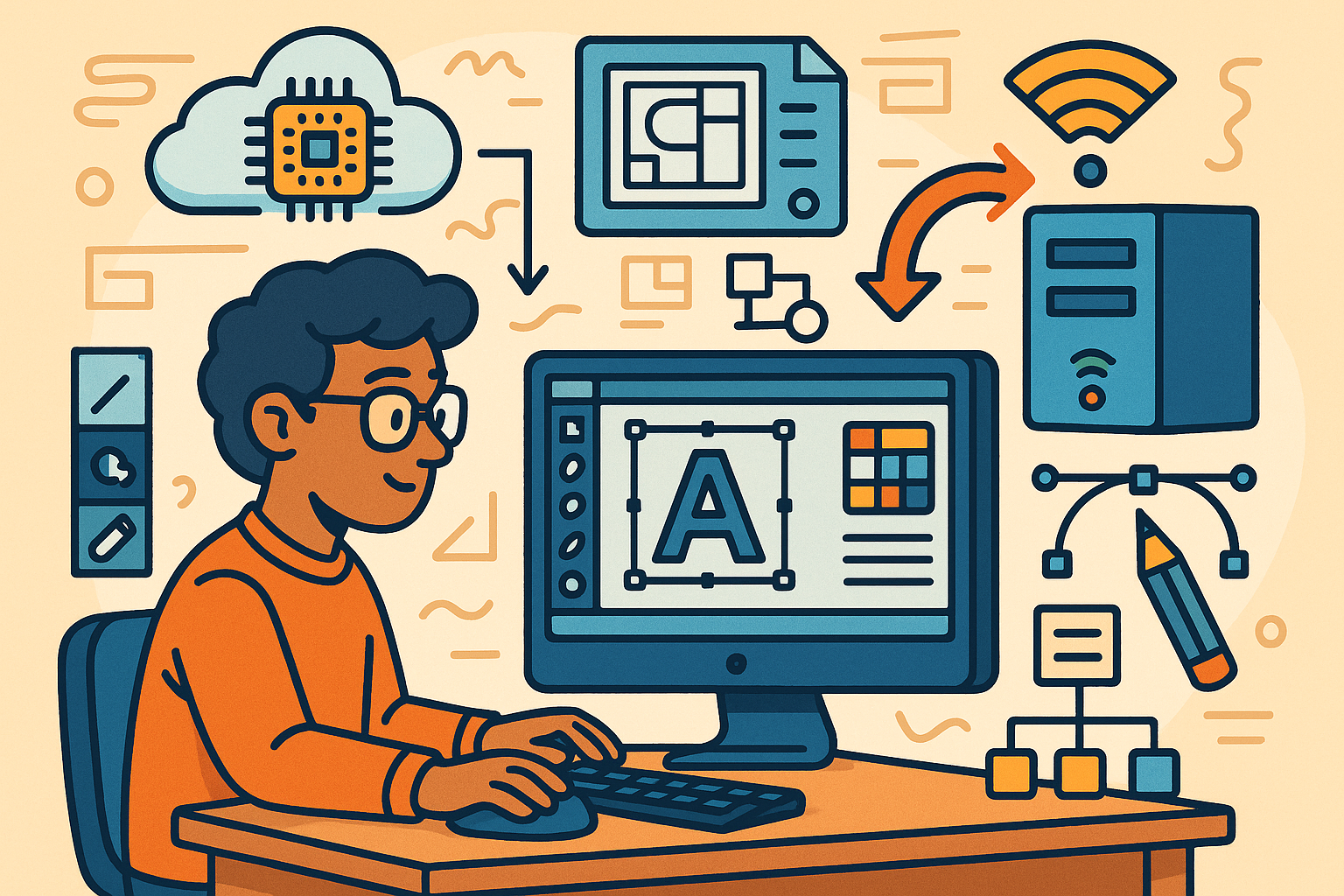
Edge computing is an advanced technology paradigm that involves processing data near the source of data generation rather than in a centralized data center. The **core principles** of edge computing include decentralization, low-latency interactions, and improved localized decision-making capabilities. By shifting processing closer to the user or machine, edge computing counters many of the limitations inherent in traditional cloud computing infrastructures, such as high latency and potential bandwidth bottlenecks. In the realm of design workflows, this technology offers substantial improvements by outsourcing crucial computational tasks to edge devices, accelerating processes that require immediate feedback and iterative adjustments. Modern design tools that deploy **edge computing** leverage a network of distributed resources, which collectively reduce the time required to simulate, analyze, and render complex designs, drastically improving the overall performance of design software. This shift is particularly significant with the growing demands of real-time product visualization, engineering computation, and additive manufacturing, where every millisecond counts. Edge computing not only streamlines workflow efficiency but also opens up new possibilities in integrating localized processing with cloud-based services, allowing designers to tackle computation-heavy tasks with unprecedented agility and responsiveness.
Defining Edge Computing and Its Core Principles
In delving deeper into edge computing, we recognize it as a strategic response to the exponential growth in data processing needs associated with modern design and engineering projects. The architecture responsible for this paradigm involves deploying micro data centers or edge nodes that serve as localized hubs for processing tasks. This approach is particularly effective in environments where real-time data analysis and rapid feedback are essential. With **edge computing**, tasks such as simulation, rendering, and data analysis can be executed without the significant delay typically observed when routing data to and from a remote cloud server. Some of the key attributes of this setup include scalability, enhanced performance in handling distributed workflows, and a reduced dependency on bandwidth. Additionally, edge computing supports a robust framework for predictive maintenance and condition monitoring of design hardware, ensuring a smoother integration with the overall design process. Advantages inherent to this distributed processing model have already started reshaping various industries, notably in areas requiring rapid decision-making and near-instantaneous response times in critical situations.
Relevance of Edge Computing in Handling Complex Design Calculations
Within the modern digital landscape, design workflows must contend with the challenge of executing complex multi-dimensional calculations that traditionally require the immense computational power provided by remote, high-performance servers. Edge computing bridges this gap by deploying processing resources directly within the design environment, resulting in a seamless and more immediate interaction between the user interface and the powerful computational back end. In an industry that continually strives to push the boundaries of realism and simulation detail, situations often occur where milliseconds can determine the success of a project delivery. By implementing **edge computing**, organizations are able to execute tasks in near-real-time, thus improving the responsiveness of design feedback loops and minimizing workflow disruptions. This means that design teams are better equipped to manage concurrent operations, enhancing precision in areas like additive manufacturing, product iterative prototyping, and computational fluid dynamics simulation. The strategic advantage of lower latency not only accelerates the pace of technological innovation but also encourages a more collaborative and interactive design process, where insights and modifications can be applied swiftly and effectively.
Current Design Workflow Challenges Addressed by Edge Computing
Traditional design workflows have historically faced a host of challenges related to latency, processing time, and bandwidth limitations. These challenges are particularly pronounced when dealing with computationally intensive tasks such as real-time 3D rendering, complex simulation, and the iterative cycles of design modification. As design projects evolve in complexity, the need for faster processing increases exponentially. Edge computing promises to address these hurdles by ensuring that critical design calculations occur at the periphery of the network, thereby reducing the dependency on remote servers and the cloud. Frequently, designers encounter bottlenecks that can delay complete project lifecycles, and these delays can inadvertently stifle innovation and precise evaluation. Issues such as data loss, network congestion, and inefficient resource allocation have led many in the design community to re-examine their workflows. With its decentralized approach, edge computing minimizes these pitfalls and provides a robust platform for high-performance design software, ultimately leading to improved simulation speeds, enhanced modeling accuracy, and a significantly shortened feedback loop. This transformation not only augments overall productivity across design teams but also raises the standards of quality and consistency in the outcomes of advanced engineering projects.
Benefits for Design Software and Processes
The integration of edge computing into design software and processes heralds a series of beneficial transformations for engineers, designers, and architects. One of the most notable advantages is the reduction in latency, paving the way for near-real-time simulations and rapid iterative design feedback. This ability ensures that design modifications can be quickly validated and refined without the delays associated with distant server computations. With **edge computing** handling the heavy computational loads locally, processes such as real-time 3D visualization, finite element analysis, and parametric modeling become significantly more efficient and user-friendly. Additionally, the inherent localized processing reduces the risk of lag, enabling design teams to experience a more stable and responsive working environment. It further simplifies the integration of advanced technologies, such as augmented reality (AR) and virtual reality (VR), which demand high-performance and low-latency processing to create immersive experiences.
Reduction in Latency for Near-Real-Time Simulations
One of the primary drivers of the adoption of edge computing in design workflows is its ability to reduce latency by performing critical processes directly on or near the design workstation. In practice, this means information does not have to traverse long distances between the endpoint and a central server, thereby cutting down on response time significantly. This reduction in latency is crucial for simulation environments where even minor delays can impede the iterative process of refining designs. Designers now have the luxury of receiving almost instantaneous feedback from complex simulations without encountering significant delays that could interrupt workflow momentum or lead to mismatches in design interpretations. Moreover, this instantaneous feedback fosters an environment where experiments and innovations can be executed more fluidly, making it possible to explore design alternatives rapidly and make informed decisions on the fly. Additionally, designers benefit from reduced network congestion since data does not continuously traverse long distances. This setup is particularly advantageous for teams working in collaborative environments where multiple data sources are integrated and need to communicate in synchrony.
Enhancing Performance by Processing Computationally Intensive Tasks Locally
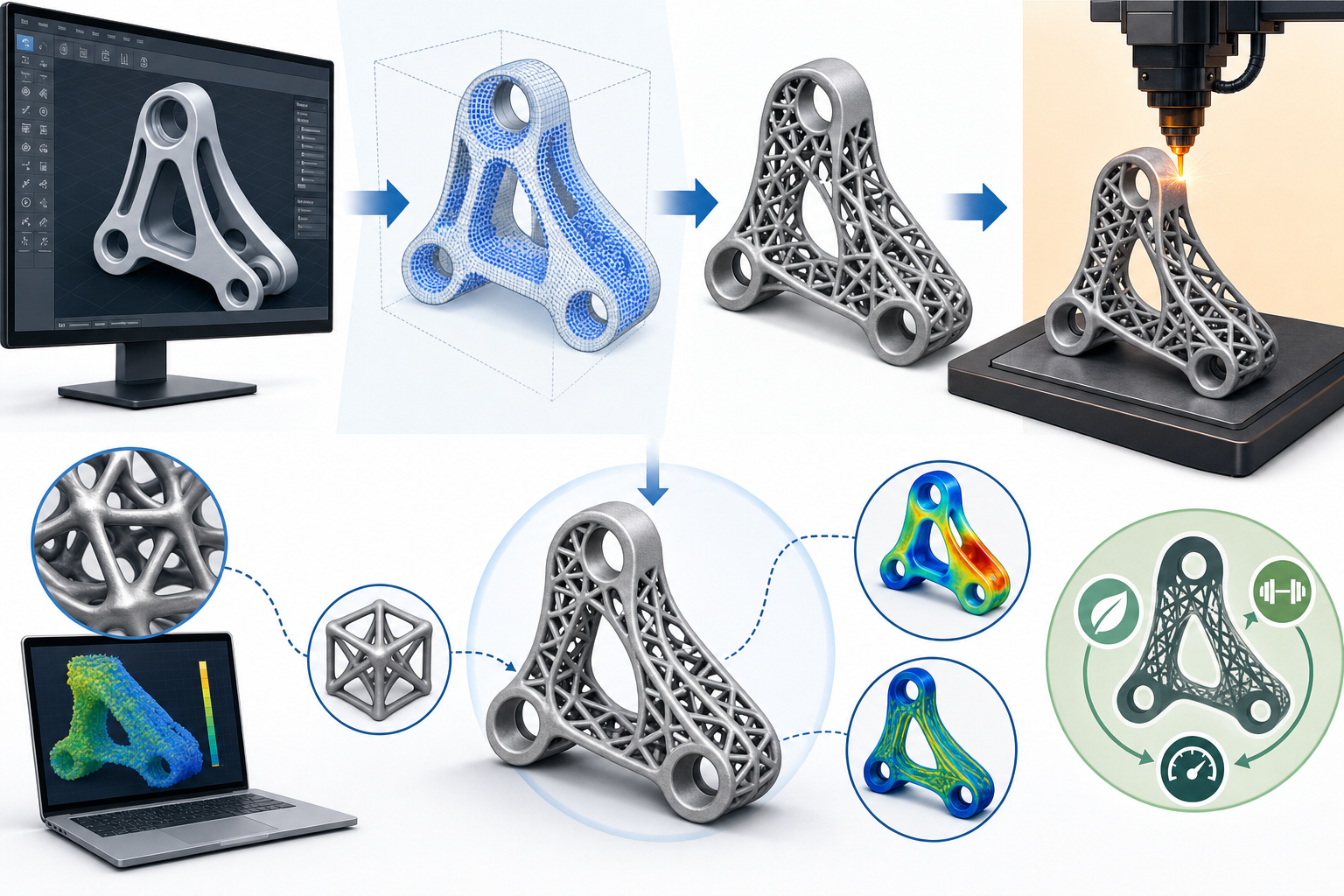
By decentralizing the processing power and moving it closer to where the data is generated, design teams can achieve remarkable enhancements in performance. Localized processing allows for the offloading of substantial computational tasks – such as high resolution rendering, complex physics simulations, and dynamic optimization processes – away from traditional network bottlenecks. The benefits of this strategy become immediately apparent in highly detailed simulations that require massive computational power to perform real-time processing. As a result, designers are no longer constrained by the limitations of centralized cloud infrastructures, which can be both costly and slow. By capitalizing on the **localized processing** capabilities of edge computing, design workflows can achieve an enhanced level of reliability and responsiveness that is essential for contemporary design challenges. The performance boost is also evident in supporting software tools that handle multiple concurrent tasks without degrading overall system efficiency, thus raising the bar for productivity and quality in digital design environments.
Improving Resource Allocation and Overall Productivity within Design Teams
In addition to the substantial performance gains, edge computing contributes to more effective resource allocation within design teams. By shifting computation-intensive tasks to local edge nodes, teams can optimize their use of central processing resources, focusing instead on creative and high-level strategic design work. This separation of duties allows a specialized computing layer to manage data attribution, simulation processing, and real-time rendering, which in turn results in a more streamlined workflow. Teams can now work on iterative design processes, testing and reworking digital models with reduced idle times. Micro-tasking, such as running simultaneous simulations and design iterations parallelly, becomes feasible as the distributed computing environment handles complex operations in a more manageable and efficient manner. Additionally, **improved resource allocation** translates to operational cost savings, as the reliance on expensive cloud computing resources is partially mitigated by robust local processing units. These shifts not only empower design teams to maximize productivity but also foster a better work environment where design innovation is unimpeded by technological constraints.
Enabling Seamless Integration with Cloud-Based Design Tools for Hybrid Workflows
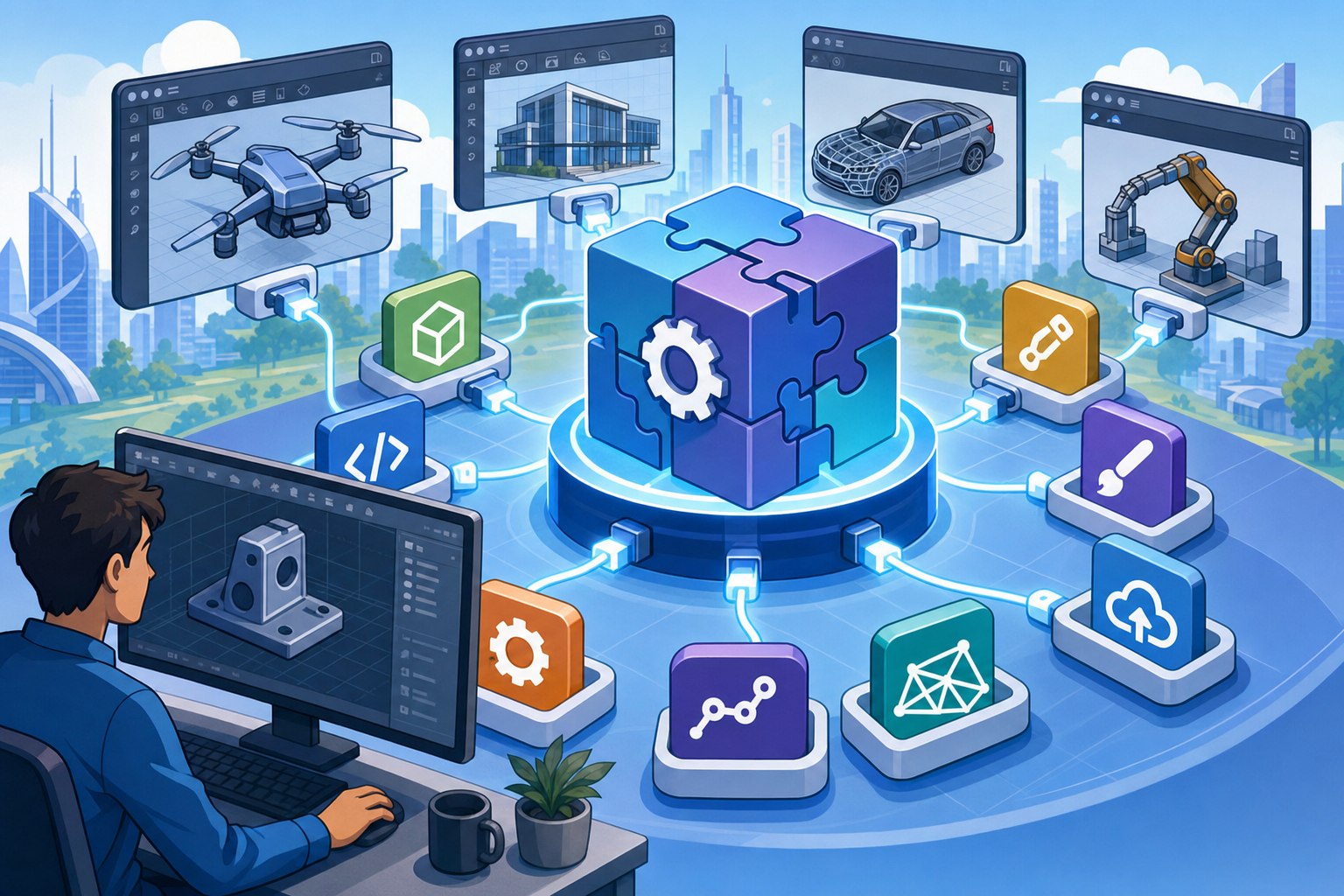
Another considerable benefit lies in the ability to create a synergistic ecosystem by interconnecting edge computing with existing cloud-based design tools. Modern design environments are increasingly embracing a hybrid model that leverages the strengths of both localized and cloud-based processing systems. This integration ensures that design teams can access the vast computational capacities of the cloud for expansive data storage, archiving, and heavy lifting while preserving the low-latency advantages exhibited by edge computing. Consequently, designers are empowered to work in a continuous flow, transitioning seamlessly between local and remote systems without noticeable lags or interruptions. The hybrid approach is bolstered by the fact that cloud-based tools continue to evolve, offering advanced analytics, collaborative features, and dynamic resource scaling that complement the agility of edge computing. **Hybrid workflows** thus represent a state-of-the-art solution for organizations aiming to combine the best of both worlds – achieving localized responsiveness while leveraging the undeniable advantages of cloud infrastructure for expansive computational challenges.
Implementation Strategies and Best Practices
Deploying edge computing within design workflows requires careful planning and a structured approach that adheres to both strategic and technical best practices. It is imperative that organizations consider multiple aspects to ensure a successful integration. Foremost among these considerations is the evaluation of hardware requirements and network infrastructure, which forms the backbone of an effective edge computing strategy. Organizations must assess the computational needs of their design tools, taking into account the complexity of tasks such as real-time simulation, visualization, and iterative prototyping. Additionally, careful selection of appropriate software frameworks and tools is crucial for creating an ecosystem that is scalable and secure. This dual focus on hardware and software infrastructure forms the bedrock of a robust implementation strategy that addresses both performance and reliability concerns. By deploying a series of connected edge nodes with sufficient processing power and ensuring that these nodes are efficiently networked, designers can achieve low-latency performance and high throughput. Furthermore, well-planned infrastructure integration provides the necessary flexibility to accommodate future technological upgrades and evolving design requirements, ensuring long-term sustainability and operational efficiency for complex design projects.
Key Considerations for Integrating Edge Computing into Design Workflows
When incorporating edge computing into established design processes, several key considerations must be prioritized. First and foremost, organizations need to evaluate the hardware requirements necessary to run complex simulation and rendering engines locally. Considerations include the processing power, memory capacity, and network capabilities of edge devices, as these attributes collectively determine the system’s ability to support fast, efficient, and reliable design computations. In addition to hardware, a robust network infrastructure that supports seamless data transmission between edge nodes and central repositories is critical. This includes ensuring firmware compatibility, adequate security protocols, and scalable connectivity options for future growth. Furthermore, selecting the appropriate software frameworks that can seamlessly integrate with existing design applications is crucial. These frameworks should not only support distributed computing but also facilitate interoperability between diverse design tools, such as CAD systems, visual simulation environments, and data analytics platforms. Other considerations include maintaining **data integrity** and implementing comprehensive security measures to protect sensitive design files. Organizations can also benefit from using modular and adaptable solutions that allow for the incremental addition of resources as design needs evolve. The following bulleted list summarizes essential focus points for integration:
- Comprehensive evaluation of hardware and network infrastructure.
- Selection of scalable and interoperable software frameworks.
- Ensuring robust data protection and maintaining data integrity.
- Adoption of a modular, flexible system design for long-term upgrades.
Addressing Security Concerns and Ensuring Data Integrity
While the benefits of edge computing in design workflows are numerous, it is essential to address potential security issues that may arise with decentralized processing. Data integrity and protection become even more critical when computational tasks are distributed across multiple nodes, often situated in varied locations. To mitigate risks, it is advisable to integrate comprehensive security protocols that extend from endpoint security measures to encrypted communications across the network. Implementing robust firewalls, intrusion detection systems, and regular vulnerability assessments are integral in ensuring that sensitive design data remains uncompromised. In addition to these measures, organizations should adopt multi-layered authentication processes and ensure that all software updates and patches are consistently applied across all edge devices. Furthermore, it is important to maintain a continuous monitoring system that tracks data movement and verifies the authenticity of computational processes. These strategies not only help in reducing the likelihood of data breaches but also instill confidence in the integrity of the distributed computing environment. By addressing security concerns proactively, design teams can focus on exploiting the performance advantages offered by **edge computing** without compromising on trust or operational stability.
Conclusion
The integration of edge computing into modern design workflows stands not merely as a technological upgrade but as a transformative catalyst that reshapes the landscape of design software and processes. By significantly reducing latency, enhancing local computational performance, and facilitating the seamless incorporation of **hybrid workflows**, edge computing empowers design teams to push the boundaries of what is possible in real-time simulation, additive manufacturing, and complex product visualization. Organizations embracing this distributed computing paradigm are witnessing tangible improvements in productivity and innovation, making it easier to iterate on design ideas swiftly and accurately while maintaining high fidelity in computational outputs.
Recap of the Critical Role in Complex Calculations
In recapitulating, edge computing plays a crucial role by offering an infrastructure that minimizes data transit delays and allows for near-instantaneous feedback during complex design calculations. The localized processing of hefty computational tasks means that design teams do not have to wait for distant cloud servers to respond, thereby streamlining workflows and enhancing overall productivity. This agility in handling frantic simulations and rendering operations is a key differentiator in technology-driven competitive markets. As industries become ever more reliant on digital design and iterative prototyping, the distributed architecture that supports edge computing offers not only immediate enhancements in processing speed but also a scalable platform for future-oriented improvements in cybersecurity, software interoperability, and overall design reliability.
Looking Ahead to Future Developments and the Continuous Evolution
Looking inward to the future, the integration of edge computing promises to serve as a cornerstone for further technological advancements in design and engineering. With continuous innovation in hardware capabilities, future iterations of edge computing will offer even greater processing power, further blurring the lines between local and cloud-based computing solutions. This evolution is expected to deliver more seamless and efficient workflows, with development in specialized algorithms tailored for distributed processing and real-time analytics. The cumulative effect will be profound, transforming complex design tasks into more manageable, efficient, and secure operations. As designers and engineers navigate an increasingly dynamic digital environment, the strategic incorporation of edge computing within their processes will undoubtedly lead to enhanced creative potentials and market competitiveness. This journey of integration underscores the transformative potential of edge computing in redefining modern design methodologies, ensuring that the future holds a promise of greater accuracy, efficiency, and innovation for the design and engineering industries.
Also in Design News