Your Cart is Empty


Design Software History: The Evolution of Robotics Design Software: Transformative Impacts and Future Trends in Automation and Engineering


Introduction to Robotics Design and Software Impact
Robotics design has become a cornerstone in modern industry, revolutionizing the way we approach manufacturing, automation, and even daily life. The significance of robotics in today's world cannot be overstated; from assembling cars to exploring distant planets, robots have taken on roles that are critical to progress and innovation. The field of robotics design encompasses the meticulous planning, creation, and implementation of robotic systems that can perform tasks with precision and efficiency. This intricate process demands not only a deep understanding of mechanical and electrical engineering but also an appreciation for the complexities of integrating these systems into existing workflows.
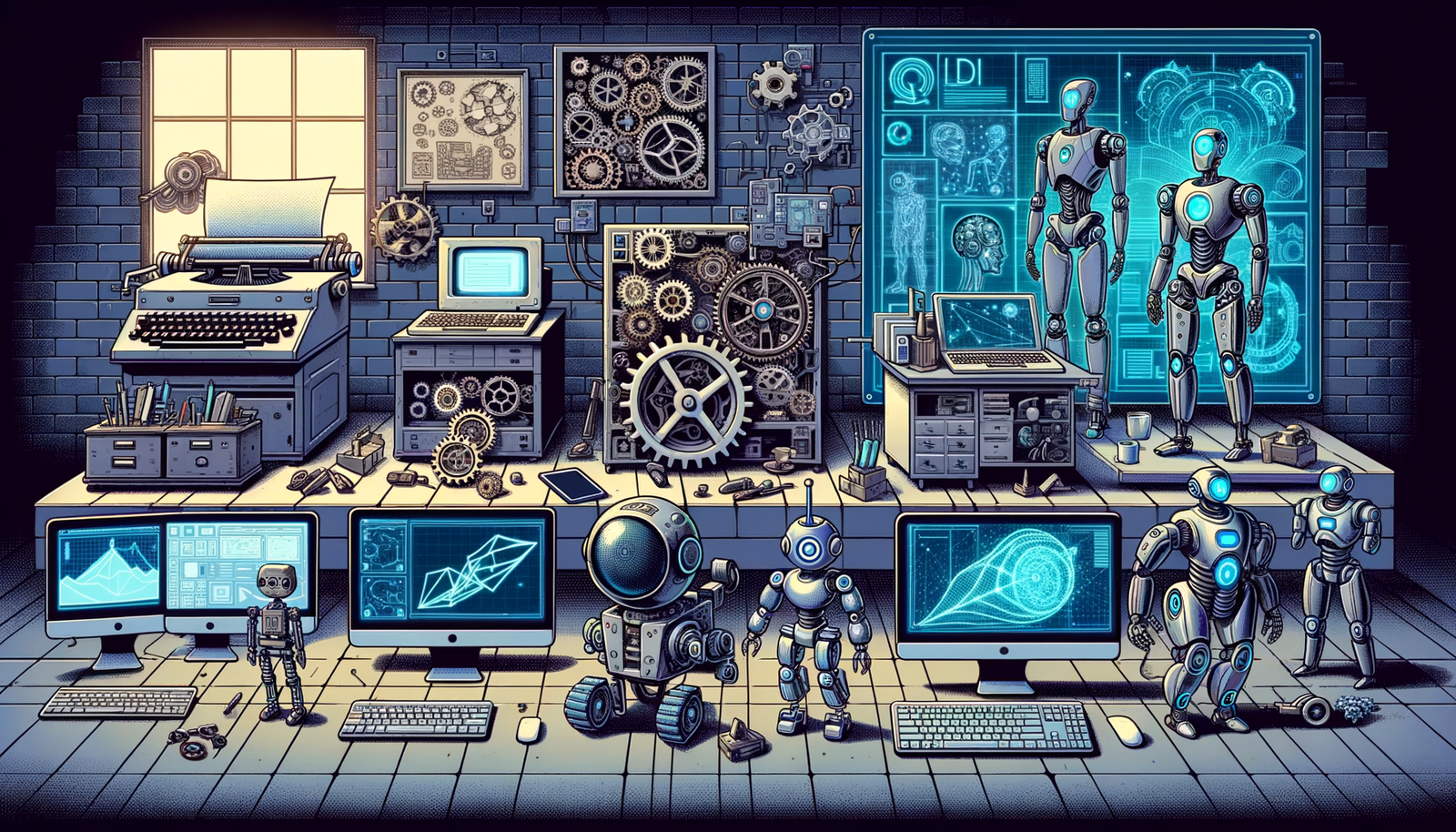
The advent of design software has been a game-changer in transforming robotic systems and their capabilities. Before the integration of sophisticated software tools, robotics design was a painstaking process fraught with challenges. Engineers relied heavily on manual drafting techniques and physical prototypes, which were both time-consuming and prone to errors. The lack of advanced computational tools meant that predicting the behavior of a robotic system under various conditions was incredibly difficult. This limitation often led to costly mistakes and setbacks in the development cycle.
In the early stages of robotics, designers faced significant hurdles. Without the aid of modern software, visualizing complex mechanisms and forecasting their interactions was a daunting task. The inability to simulate movements and stresses within a robotic system meant that designs were often over-engineered to compensate for unknown variables. This approach resulted in bulkier, less efficient robots that did not fully capitalize on the potential of emerging technologies. The challenges prior to software integration highlighted the pressing need for tools that could enhance precision, reduce development time, and foster innovation in robotics design.
The Advent of Design Software in Robotics
The introduction of design software into the field of robotics marked a pivotal moment that would forever change the industry's landscape. Early software tools began to emerge, offering solutions to the myriad challenges that engineers faced. Key figures and companies stepped forward to pioneer these tools, tailoring them specifically for robotics applications. One of the most notable early adopters was General Motors, which recognized the potential of computer-aided design (CAD) for developing robotic arms used in their manufacturing processes. By embracing CAD technology, General Motors set a precedent for integrating software into robotics design, leading the way for others to follow.
The evolution of software capabilities brought about a significant transition from 2D to 3D modeling. This shift had a profound impact on robotics design, as it allowed engineers to create more accurate and detailed representations of their concepts. Three-dimensional modeling provided a clearer visualization of how different components would interact within a robotic system. Software such as Autodesk Inventor and SolidWorks became pivotal in this development. These tools enabled designers to build complex models, simulate movements, and identify potential issues before physical prototypes were constructed.
Simulation tools emerged as an essential aspect of the early development phase. They allowed engineers to test their designs under various conditions, reducing the need for costly physical prototypes. These simulations could analyze factors such as stress distribution, thermal effects, and kinematic performance. By leveraging these tools, designers could optimize their robots for efficiency and reliability. The advent of design software not only streamlined the development process but also opened new avenues for innovation in robotics.
Transformative Changes and Key Developments
The robotics industry witnessed transformative changes with the introduction of parametric and 3D modeling. The shift to parametric modeling enabled more flexible and adaptive design processes. Unlike traditional modeling methods, parametric modeling allows for relationships between different design parameters to be established. This means that when one parameter changes, the related dimensions and features adjust automatically. Such a capability is crucial in robotics, where precise measurements and component interactions are vital. Software like PTC's Creo played a significant role in optimizing robotic part design through parametric modeling. Engineers could easily modify their designs, explore different configurations, and rapidly iterate to achieve the best possible outcomes.
The integration of Artificial Intelligence (AI) and machine learning into design software marked another leap forward. Advancements in software began to incorporate AI, enhancing robotics design with predictive analytics and intelligent design suggestions. These tools could analyze vast amounts of data to provide insights that were previously unattainable. For instance, AI-driven software can predict potential failure points in a design, suggest material optimizations, or even generate design alternatives based on specific performance criteria. This level of intelligence in design software allows engineers to create more sophisticated robotic systems that are efficient, reliable, and innovative.
Key developments in software have also led to enhanced collaboration and integration across different aspects of robotics design. Modern software tools offer features that support multidisciplinary teams, allowing mechanical, electrical, and software engineers to work seamlessly together. This collaborative environment is essential for the development of complex robotic systems, where the interplay between various subsystems must be carefully managed. By providing a unified platform for design and analysis, these tools have significantly reduced development times and improved the overall quality of robotic products.
The Future of Robotics Design Software
The current trends in robotics design software point towards an exciting future filled with possibilities. One of the most significant trends is the integration of the Internet of Things (IoT) and networked robotics. Design software is evolving to accommodate the need for connected devices, enabling enhanced functionalities and real-time data exchange. This integration allows robots to communicate with other machines and systems, leading to more efficient operations and the ability to perform complex tasks autonomously. Exploring cloud-based solutions and collaborative platforms has also become a priority. These technologies streamline design processes and reduce time-to-market by allowing teams to access and work on projects from anywhere in the world.
However, the future is not without its challenges and opportunities. Current limitations in design software need to be addressed to fully realize the potential of robotics. One of the primary challenges is ensuring software can handle the increasing complexity of robotic systems. As robots become more advanced, the software must be capable of modeling and simulating intricate behaviors. There is also a need for better integration between hardware and software, as the two are intrinsically linked in robotics. Opportunities for further innovation abound, particularly in developing software that can harness emerging technologies like quantum computing or advanced AI algorithms. By pushing the boundaries of what design software can do, the industry can continue to evolve and create robots that can perform tasks previously thought impossible.
Conclusion
The impact of design software on the evolution of robotics has been profound. From the initial challenges of manual drafting and physical prototyping, the industry has transformed into one that leverages sophisticated tools to create highly advanced robotic systems. The symbiotic relationship between technological advancements in software and robotics has been a driving force behind this evolution. As design software continues to evolve, it not only enhances the capabilities of robots but also expands the horizons of what is possible in robotics design. Looking ahead, the future trajectory of design software holds immense potential for shaping innovative solutions in robotics, paving the way for advancements that will continue to revolutionize industries and improve lives around the world.
Also in Design News