Your Cart is Empty


Sustainable Design Software: Integrating Eco-Friendly Metrics and AI Innovations
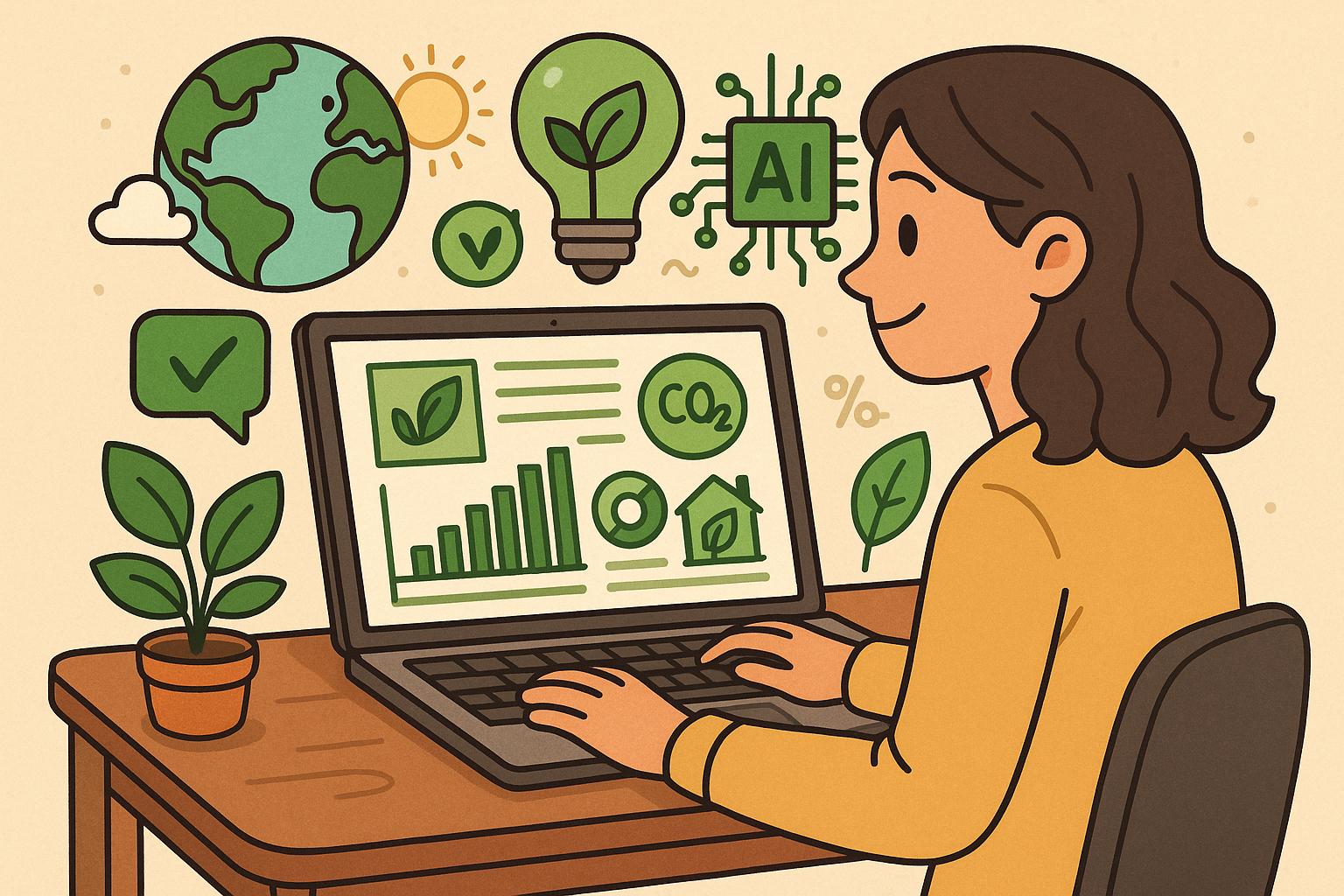


Introducing Sustainability in Design Software
Sustainable Design: Industry Demand and Importance
In today’s rapidly evolving landscape, the integration of sustainable design into the realm of digital creation has become a cornerstone for modern professionals. The **sustainable design** movement is driven by an urgent global necessity to minimize environmental harm and maximize resource efficiency, a trend that industry leaders and innovators alike are embracing wholeheartedly. Businesses across various sectors are awakening to the reality that eco-conscious practices not only address the pressing issues of climate change and resource depletion but also deliver tangible benefits in operational efficiency and brand reputation. As the industry grows, there exists a mounting demand for design software that can interpret, model, and simulate eco-friendly solutions. This demand is influenced by several practical imperatives—regulatory pressures, consumer preference for responsible products, and the drive to incorporate environmental stewardship into every facet of design processes. Software developers are therefore challenged with embedding **eco-friendly metrics** into their platforms, ensuring that sustainability becomes an integral driver in the product lifecycle. By providing tools that facilitate thorough environmental analysis, companies can assess the impact of materials and production techniques and pivot towards methodologies that promise not only superior performance but also a minimal adverse effect on the environment. This focus shapes a future where aesthetic appeal and environmental responsibility go hand in hand, leading to a more conscious approach to innovation, design, and industry practice.Evolution from Traditional to Eco-Friendly Design Practices
Over the past few decades, the progression in design paradigms has been marked by a gradual yet impactful transition from traditional design methodologies to models that prioritize sustainability. Historically, design software primarily focused on aesthetics, functionality, and manufacturability, often ignoring the environmental repercussions of these processes. Today, however, there is a significant shift that not only acknowledges the consequences of unchecked material consumption and waste accumulation but actively seeks to counter them. This evolution is evidenced by advancements in computational design tools that are now capable of performing detailed **lifecycle assessments**, energy consumption analytics, and even comprehensive carbon footprint estimations. These tools empower designers to make informed decisions from the earliest phases of product conceptualization to the final stages of production. In addition, the broader adoption of sustainable benchmarks and eco-friendly metrics has catalyzed significant improvements in the evaluation of design efficiency. The integration of these parameters is enabling a transition that is as cultural as it is technological. Today’s design professionals are increasingly expected to consider not only the visual and functional attributes of their creations but also their environmental footprint, thereby shifting the entire industry toward a more conscientious future.Integrating Eco-Friendly Metrics into Software Tools
Key Sustainable Design Features in Leading Software Platforms
Modern design software now includes a plethora of advanced features dedicated to promoting environmental responsibility. Leading platforms in the market incorporate distinct functionalities that support the assessment and optimization of materials and processes from an eco-friendly perspective. Among these features are robust lifecycle assessment tools that allow designers to evaluate the environmental impact of a product from conception to recycling. In addition, energy consumption analysis modules are embedded to offer insights into the potential use of resources over an asset’s operational lifespan. Software solutions are increasingly integrating **carbon footprint calculators** as well as material sustainability ratings, which provide a quantifiable measure of the environmental cost associated with various design decisions. These metrics are essential not only for the purpose of compliance with evolving environmental regulations, but also for driving innovation within the design community. Designers and engineers can leverage these capabilities to iteratively innovate, fine-tuning their projects to meet a blend of performance expectations while remaining conscientious of ecological implications. Given the complexity of global supply chains and the intricacies related to digital simulations, these integrated features are transforming conventional paradigms by providing a comprehensive and multi-faceted approach to sustainable design.Some critical features include:
- Lifecycle Assessment Tools: Evaluate the full environmental impact of design choices across a product’s lifespan.
- Energy Consumption Analysis Modules: Quantify the operational energy demands and optimize product configurations accordingly.
- Carbon Footprint Calculators and Material Sustainability Ratings: Offer objective metrics that highlight material choices and manufacturing techniques based on environmental impact.
Optimization Algorithms for Enhanced Environmental Performance
Beyond the introduction of specialized metric tools, the core strength of modern design software lies in its ability to integrate these measurements directly into the design process using advanced algorithms. These optimization algorithms are engineered to examine every component of a design, comparing multiple iterations to achieve the optimal balance between functionality, aesthetics, and sustainable performance. By harnessing computational power, the software is capable of running complex simulations that assess various eco-impact factors in real time. Designers are provided with actionable insights that allow for immediate refinement of design strategies. Moreover, these algorithms are developed to adapt dynamically, meaning that they not only evaluate static design snapshots but are capable of continuously monitoring and suggesting adjustments as design parameters evolve. This real-time monitoring, in conjunction with predictive analytics, ensures that any deviation from desired eco-friendly standards is promptly addressed, thereby maximizing the efficiency and sustainability of the overall design. The resulting synergy between human creativity and algorithmic support is a testament to the breakthroughs in engineering computation, seamlessly merging traditional design attributes with progressive, environmentally attentive considerations.Challenges, Innovations, and Future Directions
Technical Challenges and the Need for Data Accuracy
As the emphasis on sustainable design intensifies, the incorporation of environmental metrics presents several technical challenges that must be addressed to ensure both accuracy and reliability. One of the foremost challenges lies in the collection and assimilation of accurate environmental data from a wide array of sources. Given the complexity of modern supply chains, acquiring precise metrics for every element—from raw material extraction to final product disposal—remains a formidable task. Software algorithms must navigate through layers of variables and uncertainties while maintaining computational efficiency and ease of use. Moreover, the persistent challenge of real-time monitoring further complicates matters, as any lag in data processing can significantly affect the decision-making process. There is also a critical need to achieve an optimal balance between sophisticated analytics and user-friendly interfaces, ensuring that even non-expert users can leverage these tools effectively. In addition, the constant evolution of environmental standards and regulations demands that the software remains adaptable and forward-compatible. Continuous updates in technology and methodology are necessary to align with the latest eco-friendly standards and regulatory frameworks. In this respect, the journey toward fully integrated and highly accurate sustainable design tools is emblematic of broader industry trends where digital technology must act as a bridge between innovation and environmental responsibility.Innovative Methodologies and Future Trends
Looking forward, there is a burgeoning interest in emerging technologies that promise to further revolutionize sustainable design practices. One noteworthy trend is the integration of artificial intelligence and machine learning capabilities into design software. These advanced systems have the potential to provide **AI-driven sustainability recommendations** by analyzing historical design data and simulating countless design scenarios. This predictive insight can play a pivotal role in not only optimizing current projects but also in shaping future priorities and methodologies. Designers benefit from automated, data-driven insights that help maximize resource efficiency and reduce environmental impact with minimal manual intervention. Additionally, future trends are expected to see a closer synergy between regulatory frameworks and software functionalities, where global standards and environmental policies drive continuous improvements in eco-friendly design tools. Other innovations that signal a promising future include the use of real-time sensor data to update design simulations dynamically, and the development of collaborative platforms where stakeholders can share and refine sustainability benchmarks. These emerging methodologies are set to transform industries such as architecture, product design, and urban planning, establishing a new norm where environmental performance is as prioritized as technical excellence and aesthetics.Key anticipated future directions include:
- AI Advancements: Leveraging machine learning to predict and optimize environmental impacts.
- Real-Time Monitoring: Utilizing sensor data and IoT integrations for dynamic assessment of design metrics.
- Regulatory Alignment: Driving consistent updates to software standards as global eco-friendly regulations evolve.
Conclusion
Recapping the Transformative Role of Eco-Friendly Metrics
In summary, the adoption of eco-friendly metrics in modern design software represents a paradigm shift that is fundamentally reshaping industries across the board. The integration of detailed lifecycle assessments, energy consumption evaluations, and carbon footprint calculations into design tools has empowered professionals to make better-informed decisions that prioritize both performance and environmental stewardship. This transformation is marked by a clear recognition that sustainable design is not simply a trend, but an essential component of contemporary and future digital practices. As design software evolves, it increasingly serves as a bridge linking aesthetic creativity, structural integrity, and ecological responsibility. Industry professionals are now equipped with powerful tools that facilitate the constant refinement of designs to ensure minimal environmental impact while preserving the innovative spirit of design excellence. This multifaceted approach has proven that advanced computational capabilities, when applied to sustainable development, can yield solutions that offer significant long-term benefits for both the economy and the planet.Embracing a Greener Future through Continuous Innovation
Beyond mere functionality, the strategic implementation of **eco-friendly metrics** in digital design tools sets the stage for an industry-wide shift towards sustainable innovation. Professionals within architecture, product design, and urban planning are called upon to transcend conventional practices by integrating robust sustainability assessments into their everyday workflows. The continuous evolution of software capabilities, driven by emerging technologies such as AI and real-time data analytics, underlines a future where regulatory influences and global standards contribute to a more environmentally conscious design ecosystem. This journey is defined by a commitment to not only reduce ecological footprints but also to cultivate creative solutions that align with broader social and environmental objectives. The convergence of sustainable methodologies with digital design represents a challenging yet immensely rewarding frontier. It invites industry practitioners to embrace continuous learning, collaboration, and systemic change—ultimately contributing to a greener, more resilient future. As the digital design community propels itself forward, the promise of innovation united with ecological mindfulness remains the driving force behind every breakthrough. Professionals are encouraged to seize this opportunity to implement sustainable practices, contributing actively to the development of eco-conscious digital design solutions that resonate with the needs of our planet.Also in Design News