Your Cart is Empty


Streamlining Collaborative Design: Advanced Versioning and Real-Time Editing Techniques


Defining Collaborative Versioning in Design Software
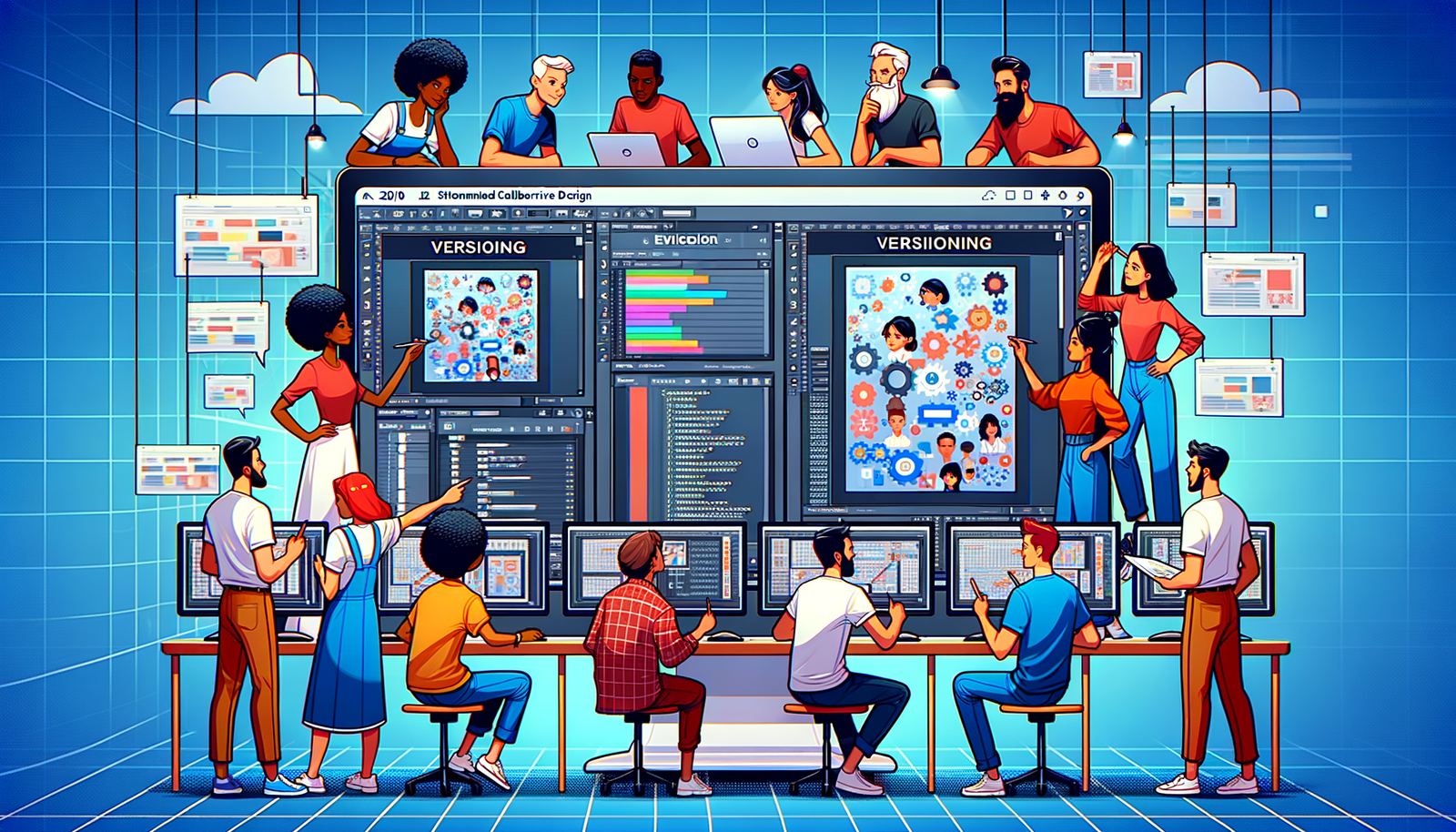
Collaborative versioning in design software represents a paradigm shift in how multi-user design projects are managed and executed. At its core, **collaborative versioning** is the systematic process of tracking, managing, and integrating changes made by various contributors simultaneously on a shared set of design files. This holistic approach transforms traditional design workflows where a single designer would often hold the entirety of a project’s intellectual property, into a dynamic and interactive environment where contributions from multiple experts are seamlessly merged. The integration of this process into design software has been evolving rapidly, especially as projects have become more complex and distributed across global teams. Advanced design solutions now incorporate real-time syncing, continuous backups, and automated conflict resolution to ensure that every revision is documented and easily reversible if needed. As design projects expand in scope, the ability to audit and control revisions is not just a luxury but a necessity for maintaining integrity and cohesion across iterations. In today’s competitive design landscape, errors can be mitigated effectively, and productivity boosted substantially when robust **version control systems** are in place. Moreover, centralized tracking of all changes empowers teams to maintain a single version of the truth, which is crucial when collaborators depend on each other’s input across various stages of a project. The evolution in design software indicates a strong commitment towards enhancing multi-user interaction, ultimately resulting in greater quality outputs in engineering computation, product visualization, additive manufacturing, and architectural design. With the infusion of automated tracking systems, explicit labeling of changes, and detailed version histories, professionals can now work together in a synchronized fashion, ensuring that every change is plotted, evaluated, and contextualized within the broader project narrative.
The Evolution of Design Software to Accommodate Simultaneous Editing
The evolution of design software has been instrumental in fostering a collaborative ecosystem where simultaneous editing is not only possible but also streamlined for maximum efficiency. In recent years, the transformation has been nothing short of revolutionary; early iterations of design software provided isolated environments with limited options for real-time collaboration, whereas modern versions support an integrated workflow that welcomes input from multiple hands concurrently. The transition from static file management systems to dynamic interactive environments has been marked by significant milestones in both technology and user interface design. The introduction of **multi-user editing** capabilities has enabled teams in various sectors such as engineering, product visualization, and additive manufacturing to converge their unique expertise on a single project simultaneously. This shift has allowed for immediate feedback loops, significantly reducing the time required to iterate and refine designs. Developers have also placed a high emphasis on security and the integrity of data during these real-time editing sessions. As a result, the latest versions of design software are equipped with robust error-checking algorithms, automatic backups, and data reconciliation processes to mitigate risks associated with simultaneous edits. Furthermore, users now benefit from enhanced graphical interfaces that provide intuitive insights into the editing history and current status of the project. This evolution underscores the importance of **real-time collaboration** for modern design projects, facilitating workflows that are both resilient and adaptable, while also contributing to an increased overall pace of innovation. The industry now sees a clear convergence of technology and design philosophy, where the focus is not just on creating products but on crafting experiences that are robust and flexible in the face of constant change.
The Importance of Version Control for Mitigating Errors and Enhancing Productivity
In the intricate world of design projects, version control stands as a critical pillar in ensuring both the accuracy and reliability of collaborative efforts. The integration of **robust version control mechanisms** into design software not only counters the potential risks associated with overlapping changes by multiple contributors but also provides a safety net wherein errors are swiftly identified and addressed. This process of meticulously tracking every modification ensures that design projects maintain their integrity even when subjected to continuous, multi-faceted updates. By keeping a historical account of every revision, design teams can easily roll back to previous iterations if a recent change leads to unforeseen complications. Such a system is paramount in maintaining a high standard of quality and ensuring that no single mistake can cascade into a larger, irrevocable failure. In addition to error mitigation, version control enhances productivity by allowing for parallel workflows where team members can experiment and innovate independently without the fear of jeopardizing the project's main line. This flexibility has led to the emergence of layered design methodologies where each contributor can focus on specific elements without overlapping responsibilities, thus ensuring that the project evolves seamlessly. In tandem with clear revision histories, revised versions also function as educational tools, offering insights into design evolution that can guide future strategies. The inherent accountability and transparency of **automated versioning systems** contribute to a culture of continuous improvement, thereby fostering an environment where best practices are not an afterthought but an integral part of the design process. Alongside benefits like audit logs and rollback capabilities, the strategic integration of version control not only streamlines collaborative workflows but also bolsters the overall professionalism and reliability of design deliverables, setting a high standard for modern multi-user design projects.
Establishing a Single Source of Truth in Design Data
One of the most pivotal strategies for ensuring the success of multi-user design projects is establishing and maintaining a single source of truth for design data. This concept refers to the consolidation of all project-related information, revisions, and asset modifications into a centralized repository that everyone on the team trusts and utilizes. The concept of a **single source of truth** helps mitigate the chaos that often arises when multiple copies of files or divergent versions exist simultaneously. Instead of wasting time reconciling discrepancies between assorted file versions or trying to locate the most recent changes dispersed across various systems, team members can access a unified and authoritative repository. This not only minimizes the potential for errors but also empowers team members to have confidence in the integrity of the data they are working with, allowing for a smoother and more efficient workflow. In a practical sense, establishing this central repository involves setting up and enforcing strict protocols such as regular updates, access logging, and structured file management. A few effective steps include:
- Implementing automated backups to ensure data integrity.
- Utilizing role-based access control to prevent unauthorized changes.
Protocols for Real-Time Communication and Conflict Resolution
For collaborative versioning to be successful within a multi-user design framework, effective protocols for real-time communication and conflict resolution are indispensable. When multiple team members are working on a project concurrently, there is a significant chance that conflicts will emerge as different contributions interface with one another. The implementation of clear and structured communication protocols ensures that any discrepancies can be quickly identified and addressed without compromising the overall project timeline. Teams that embrace real-time communication leverage tools that facilitate immediate, transparent, and direct interactions, ensuring that everyone is aware of the changes taking place. These protocols include regular updates on project status, alerts for conflicting changes, and otherwise seamless updates from the design software. When a conflict arises, one of the most valuable strategies is the establishment of **automated conflict detection** mechanisms built into the workflow, coupled with an immediate human review to determine the appropriate course of action. In addition to deploying sophisticated algorithms that pinpoint overlapping changes, teams are encouraged to employ regular check-ins and synchronized meetings that allow for verbal clarifications and quick resolutions. Key elements typically integrated include:
- Instant messaging and collaboration platforms dedicated to design updates.
- Integrated notifications that alert users of concurrent edits.
Structured File Management and Layered Access Control
Effective file management is central to the successful deployment of collaborative versioning in design projects, particularly when multiple users are involved. A well-structured file management system organizes and categorizes the myriad of design files, revisions, and supplementary documents in a manner that facilitates swift access and minimal confusion. Layered access control further complements this system by ensuring that only authorized team members have the ability to modify critical files while others may only view or suggest changes. This dual approach not only protects the integrity of the design data but also empowers teams to adhere to a disciplined workflow, where every action is monitored and appropriately constrained. The implementation of **layered access control** helps prevent potential security breaches and accidental overwrites, which are common pitfalls in environments where many users interact with the same digital assets. A properly organized system often features well-defined folder hierarchies based on project phases, file type, and even user groups, making it easier to backtrack when discrepancies arise. Moreover, advanced design software now includes features such as automatic file versioning and rollback options that allow teams to isolate errors and swiftly revert to functional iterations if necessary. These methods ensure greater accountability, as every change is recorded along with details of the individual responsible, subsequently fostering better communication among collaborators. The concept of structured file management is not only about organization but also about embedding a culture of **discipline and precision** that underscores the value of every single design element. When paired with layered access control, this meticulous approach greatly enhances the overall reliability, clarity, and efficiency of the collaborative design process.
Comparing Centralized Versus Distributed Versioning Systems
In the realm of collaborative design, deciding whether to implement a centralized or distributed versioning system is a strategic choice that has far-reaching implications for the organization’s workflow and project outcomes. Centralized systems involve a single authority that holds the master copy of every asset, enabling streamlined control and oversight over every version and change made within the project. Conversely, distributed systems allow multiple repositories to operate independently while later merging changes into a unified project structure. The centralized model is often preferred when managing design projects that require tight supervision, as it minimizes the risks associated with conflicts and inconsistencies. It provides undeniable benefits such as simplified change tracking, coherent revision histories, and a uniform approach to versioning that fosters better accountability among team members. On the other hand, distributed versioning enables greater flexibility and scalability, as each contributor can retain a personal copy of the repository, experiment with revisions independently, and then seamlessly integrate these changes into the master project once they are deemed stable. This method excels in scenarios where teams are widely dispersed or where independent innovation is encouraged. A few key points frequently discussed include:
- The inherent control and oversight found in centralized systems.
- The enhanced flexibility and freedom offered by distributed systems.
Popular Design Software Features for Collaborative Versioning
As design software matures to meet the challenges of modern collaborative environments, key features that facilitate advanced version control have become increasingly prominent. A wide array of design tools now integrate mechanisms that enable multiple users to interact with a single project simultaneously while ensuring that all modifications are automatically logged, tracked, and preserved. Among these features, the most notable include automated change detection, comprehensive revision histories, merge conflict resolution, and the ability to branch off parallel design ideas seamlessly. Such features are instrumental in not only fostering **simultaneous editing** but also in ensuring that the final product remains cohesive despite contributions from diverse sources. Automated tracking capabilities serve as the backbone of collaborative workflows, guaranteeing that each modification, no matter how minor, is captured with precision and time stamps. This is critical for environments where errors or misinterpretations can have significant downstream effects on project integrity. Moreover, integrated communication platforms within the software allow for instant messaging and alerts, ensuring that all team members are aware when changes occur, and prompting immediate review if conflicts arise. Importantly, these features are supported by user-friendly interfaces that minimize the learning curve and allow designers of varying technical expertise to participate fully in the collaborative process. The evolution of these tools means that designers are now better equipped to manage the increased complexity of projects such as product visualization and architectural design, thereby ensuring that each contribution is harmonized with the overall vision and technical specifications. This comprehensive approach not only boosts team productivity but also fortifies the project against the pitfalls of outdated versioning practices, heralding a new age of **efficient and error-free collaboration** in design work.
Integration with Project Management and Cloud-Based Solutions
The seamless integration of collaborative versioning features with project management tools and cloud-based solutions has redefined workflow dynamics in modern design environments. In this new paradigm, version control systems are no longer standalone applications but rather integral parts of an interconnected design ecosystem. Cloud-based platforms allow design teams to store data centrally, facilitating universal accessibility irrespective of geographic location, while advanced project management software provides an overarching framework to monitor tasks, deadlines, and responsibilities. This confluence of systems ensures that every design revision and project milestone is synchronized, minimizing redundancy and maximizing productivity. For instance, automated workflows can be triggered when a new revision is committed, instantly notifying all team members and updating project timelines accordingly. Such integrations foster an environment where collaborative design projects are managed holistically, ensuring that every contributor is aligned with project objectives and deadlines. Essential benefits include real-time notifications, automated status updates, and synchronized calendars that help track every aspect of project progress. The capability to integrate design data directly with communication channels further reduces manual intervention, rendering the overall workflow more agile and responsive to sudden changes or emerging challenges. This shift not only bolsters project efficiency but also elevates transparency and accountability by offering comprehensive dashboards that display live version histories and collaboration metrics. Consequently, design teams can operate with the confidence that every change is logged and every asset is readily available, fostering a culture of **complete transparency and agile responsiveness** in today’s fast-paced design projects.
Actionable Tips to Avoid Versioning Mistakes
Avoiding common versioning mistakes in collaborative design projects requires a combination of strategic planning, clear protocols, and the effective use of advanced software tools. The inherent complexities within multi-user systems can lead to overlaps and conflicts if not managed diligently, but by adopting a set of actionable tips, teams can significantly reduce the risk of errors. One effective approach is to always adhere to a strict commit message convention that clearly logs the nature of each change made. This, coupled with regular synchronization of local copies with the central repository, helps prevent discrepancies that could otherwise derail the workflow. Additionally, it is crucial to conduct periodic reviews of the entire version history to identify any inadvertent mistakes early in the process. Implementation of automated testing and validation checks immediately after commits can also ensure that changes are correctly integrated and that no critical functionality is compromised. Another proactive measure involves using **branching strategies** that allow designers to experiment with new concepts separately, thus safeguarding the overall project integrity until such changes have been thoroughly vetted. A few salient tips include:
- Regularly update and synchronize all versions of the design files.
- Employ automated testing protocols to confirm changes.
Summary of Crucial Takeaways on Collaborative Versioning Best Practices
As the landscape of multi-user design projects continues to evolve, the adoption of robust collaborative versioning practices has emerged as a cornerstone of operational efficiency and innovation. The journey through various strategies—from establishing a single source of truth and implementing structured file management to integrating advanced communication protocols—provides a comprehensive roadmap for modern design teams. A major takeaway is the critical role of **version control systems** in mitigating errors that may arise from simultaneous edits. With every change meticulously logged, design teams are empowered to backtrack, evaluate, and integrate contributions in a reliable manner, ensuring the final product remains error-free and representative of collective efforts. Another essential aspect is the integration of design software with cloud-based and project management solutions, creating an ecosystem where team collaboration is seamless and transparent. These integrations not only facilitate real-time notifications and updates but also serve as audit trails that document every version change, thereby reinforcing accountability among team members. The emphasis on structured file management further ensures that each asset is organized in a deliberate and logical hierarchy, minimizing the risk of data loss or miscommunication. Overall, the central theme is that a combination of discipline, advanced technology, and proactive communication can revolutionize the collaborative process, leading to increased productivity and superior project outcomes. By adhering to these best practices, design professionals can ensure that all contributions are coherent, conflicts are nipped in the bud, and the overall workflow remains flexible yet robust.
Future Trends and Emerging Technologies in Collaborative Versioning
Looking forward, the convergence of artificial intelligence, machine learning, and distributed ledger technology promises to further enhance the field of collaborative versioning in design software. Emerging technologies are poised to automate even the most complex aspects of version control, allowing for predictive error detection and proactive conflict resolution. For instance, AI-powered integration tools can continuously analyze design patterns and alert teams of potential inconsistencies before they impact the project. Similarly, blockchain-inspired systems might soon be leveraged to provide immutable records of all design modifications, thereby enhancing trust in multi-user environments and streamlining the verification of changes. Such innovations are likely to push the boundaries of efficiency and accuracy far beyond current capabilities. Moreover, the integration of immersive technologies like augmented reality and virtual reality into the design process will necessitate real-time, three-dimensional collaboration platforms where version control extends into entirely new spatial dimensions. As these technologies advance, they are expected to redefine the standard protocols for **real-time collaboration** by adding layers of interaction that were previously unimaginable. These innovations will require design teams to continuously adapt and refine their collaborative structures, adopting more sophisticated tools that can handle the increased complexity of modern design projects. This ongoing evolution not only promises to bolster productivity but also ensures a heightened level of precision and innovation in design workflows that rely on **automated versioning systems**. The future of collaborative design is undoubtedly exciting, with emerging technologies set to unlock unprecedented potential for efficiency, creativity, and error-free execution.
Encouraging Continuous Improvement in Versioning Strategies
In conclusion, the practice of continuously refining versioning strategies stands as a testament to the dynamic and ever-evolving nature of design processes in today’s technologically advanced environment. The strategic implementation of collaborative versioning practices not only elevates the standard of output but also fosters an environment of constant innovation and improvement. As design teams adapt to new software capabilities and emerging trends, it becomes imperative to consistently review and optimize current protocols. Continuous improvement in versioning involves leveraging comprehensive feedback loops, investing in employee training, and staying updated with the latest technological breakthroughs. Design professionals are encouraged to experiment with hybrid version control systems that blend the best features from both centralized and distributed approaches in order to create a system best suited to their project demands. By building a culture that values both agility and rigorous oversight, organizations can ensure that their version control measures remain robust, scalable, and adaptable to future challenges. Furthermore, it is essential to maintain an unwavering commitment to transparency and accountability. This is achieved by embedding best practices such as regular audits, automated tracking, and strict role-based access controls into the daily workflow. In this way, every stakeholder—from the lead designer to the newest team member—plays a crucial role in the collective effort to uphold the integrity of design data. Ultimately, the conscious effort to continuously review and improve versioning strategies not only acts as a buffer against potential technical setbacks but also cultivates a proactive mindset that drives sustainable growth and long-term success in the competitive world of design.
Also in Design News