Your Cart is Empty


Design Software History: The Evolution of Real-Time Rendering in Design Software: KeyShot's Impact on Visualization and Creative Processes
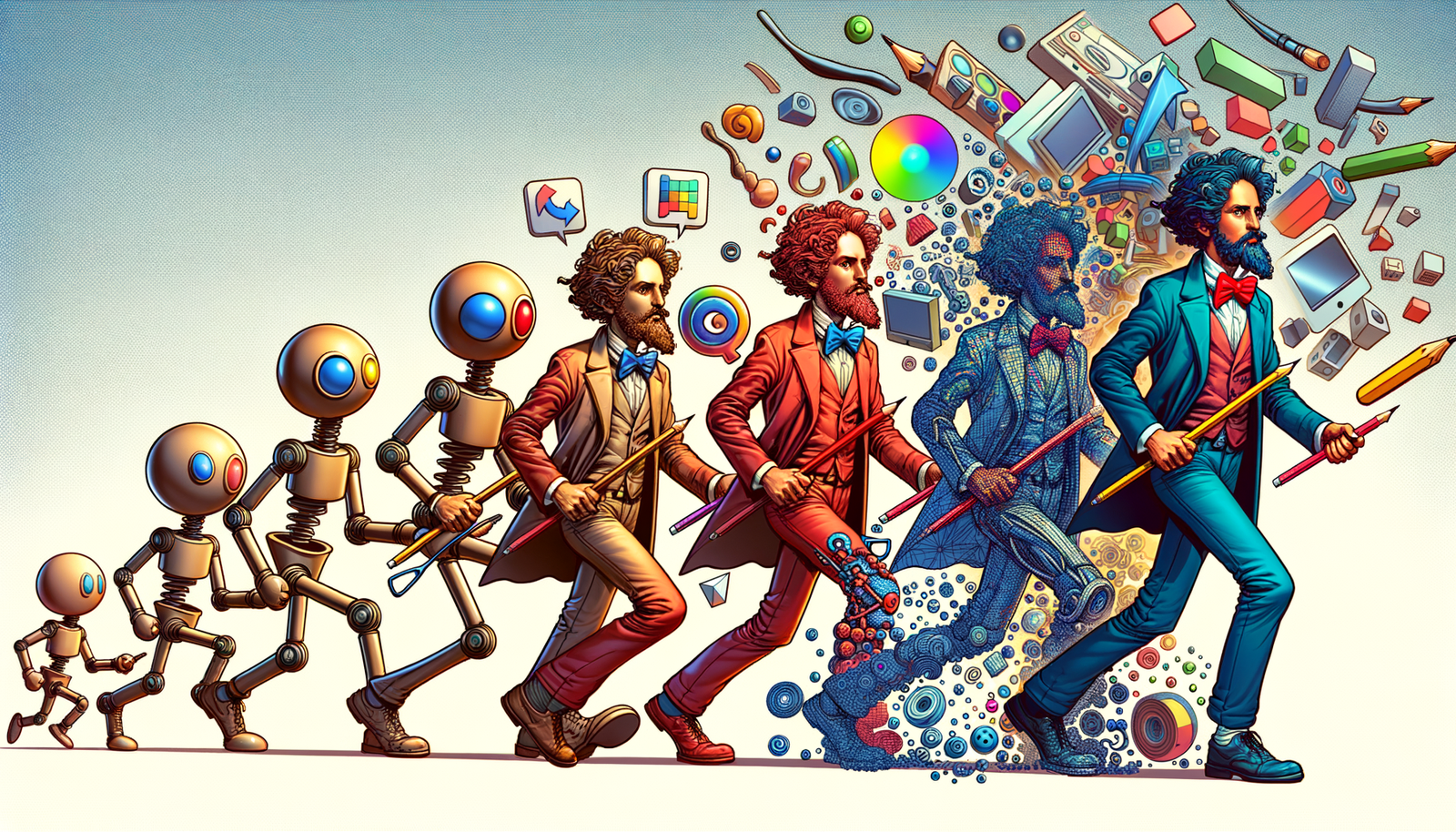


Introduction to Real-Time Rendering in Design Software
In the ever-evolving landscape of design software, real-time rendering has emerged as a pivotal technology that revolutionizes the way designers visualize and interact with their creations. Real-time rendering refers to the process of generating computer graphics instantaneously, allowing for interactive manipulation and immediate visual feedback. This means that as designers adjust parameters—such as materials, lighting, or geometry—they can instantly see the results without the delays traditionally associated with rendering processes. The importance of real-time rendering in design visualization cannot be overstated; it accelerates the design process, enhances creativity, and enables a more intuitive workflow.
Traditionally, rendering was a time-consuming task. Designers would set up their scenes, configure materials and lighting, and then wait—sometimes for hours or even days—for the final image to render. This delay hindered iterative experimentation and slowed down project timelines. However, with the advent of real-time rendering technologies, this bottleneck has been significantly reduced. The shift from traditional rendering techniques to real-time rendering represents a major paradigm shift in design software. It empowers designers to explore ideas more freely, make rapid adjustments, and iterate on concepts without the traditional time penalties.
The significance of real-time rendering extends beyond mere speed. It fundamentally transforms the design process by providing a more engaging and interactive experience. Designers can experiment with different scenarios, such as changing environmental conditions or material properties, and immediately observe the impact on their designs. This immediacy fosters a deeper understanding of how various elements interact, leading to more informed decision-making and innovative solutions. Real-time rendering enhances both the efficiency and the creative potential of design processes, making it an indispensable tool in modern design workflows.
The Genesis and Key Features of KeyShot
KeyShot, developed by Luxion Inc., has become a cornerstone in the realm of real-time rendering for designers worldwide. Founded by brothers Claus and Dr. Henrik Wann Jensen, Luxion Inc. was established with a vision to simplify complex rendering processes and make high-quality visualization accessible to all designers. Dr. Henrik Wann Jensen, a renowned figure in computer graphics known for his work on rendering algorithms, brought significant expertise to the development of KeyShot. Since its inception in 2010, KeyShot has steadily evolved, embodying Luxion's commitment to innovation and user-centric design.
One of the revolutionary features that set KeyShot apart is its focus on physically accurate materials and lighting. The software utilizes scientifically based material representations, allowing designers to apply real-world materials with properties that behave authentically under various lighting conditions. This results in renderings that are not only visually stunning but also true to life. Additionally, KeyShot's advanced lighting algorithms simulate real-world lighting environments, providing designers with the ability to place their models in a variety of settings and see immediate, realistic results.
KeyShot's standout features include:
- Fast rendering speeds without compromising quality: Leveraging advanced algorithms and optimized performance, KeyShot delivers high-quality renderings rapidly, allowing for quick iterations and experimentation.
- User-friendly interface: Designed to cater to designers of varying expertise levels, its intuitive drag-and-drop functionality and straightforward workflow enable users to produce professional-grade renderings with ease.
- Compatibility with major 3D modeling applications: KeyShot supports a wide range of file formats and offers plugins for popular modeling software, ensuring seamless integration into existing workflows.
The compatibility and integration with major 3D modeling applications is another significant advantage of KeyShot. It supports direct import of models from software like SolidWorks, Rhino, and Autodesk products, among others. This seamless integration allows designers to transfer their 3D models into KeyShot without data loss or the need for intermediate formats. The ability to effortlessly move between modeling and rendering tools streamlines the workflow, reduces potential errors, and enhances overall productivity.
Impact of KeyShot on the Design Industry
The introduction of KeyShot has had a transformative impact on the design industry, fundamentally changing how visualization is approached across various sectors such as automotive, consumer electronics, and architecture. In the automotive industry, for instance, KeyShot's real-time rendering capabilities enable designers to create highly detailed and realistic images of vehicles, facilitating better communication of design concepts and faster decision-making. Designers can explore different materials, finishes, and lighting conditions instantaneously, which significantly accelerates the development process and enhances the final product's aesthetic appeal.
Similarly, in consumer electronics, KeyShot allows for rapid visualization of products ranging from smartphones to household appliances. The ability to quickly render photorealistic images helps designers and engineers to evaluate form, function, and ergonomics before committing to physical prototypes. This not only saves time and resources but also encourages innovation by allowing for more extensive exploration of design alternatives. In architecture, KeyShot empowers architects to create immersive visualizations of buildings and interior spaces, enhancing their ability to communicate design intent to clients and stakeholders effectively.
Perhaps one of the most significant impacts of KeyShot is its role in the democratization of high-quality rendering capabilities. By offering a tool that is both powerful and accessible, KeyShot has made it possible for smaller design firms and independent designers to produce professional-grade renderings without the need for extensive resources or specialized training. This accessibility has leveled the playing field, enabling a wider range of creative voices to participate in industries that were previously dominated by larger organizations with more substantial budgets. The widespread adoption of KeyShot has elevated the standard of visual communication in design, fostering a more competitive and innovative industry landscape.
Future Prospects and Innovations in Real-Time Rendering
Looking ahead, the future prospects for KeyShot and real-time rendering technologies are filled with potential and exciting advancements. Continued technological innovation is expected to bring about enhancements in rendering speed, quality, and functionality. Future versions of KeyShot are anticipated to leverage advancements in hardware acceleration, such as utilizing the full potential of multi-core CPUs and GPUs, to further reduce rendering times and handle more complex scenes with ease. Improvements in rendering algorithms will likely focus on increasing realism through advanced lighting effects, materials, and textures, pushing the boundaries of what is visually achievable.
Emerging technologies such as virtual reality (VR) and artificial intelligence (AI) present both challenges and opportunities for real-time rendering:
-
Virtual Reality (VR):
- Opportunities: Provides immersive experiences, allows designers to interact with models in a 3D space, enhances spatial understanding.
- Challenges: Requires significant computational power, necessitates optimized workflows to prevent lag and maintain rendering quality.
-
Artificial Intelligence (AI):
- Opportunities: Enables intelligent material suggestions, automates scene setup, optimizes rendering processes through machine learning.
- Challenges: Complexity of integrating AI smoothly, ensuring AI recommendations align with designers' creative intentions.
The potential intersection of real-time rendering with other fields opens new avenues for innovation. In sustainable design practices, for example, real-time rendering could aid in visualizing the environmental impact of design choices, allowing designers to make more eco-friendly decisions. Additionally, the integration with interactive media and augmented reality could transform how products are showcased and experienced by consumers, leading to more engaging and personalized interactions. These advancements have the potential to not only change design workflows but also to influence market trends and consumer expectations.
Conclusion
In summary, KeyShot’s contribution to revolutionizing design visualization through real-time rendering is both significant and enduring. By providing instantaneous feedback, physically accurate materials and lighting, and an accessible interface, KeyShot has redefined the possibilities within the design process. It has enabled designers to work more efficiently, explore creative ideas freely, and communicate their visions with unprecedented clarity and realism. The impact of KeyShot extends across various industries, enhancing the quality and efficiency of product development from automotive to consumer electronics and architecture.
The broader implications of advancements in real-time rendering for the future of design software are profound. As technologies continue to evolve, tools like KeyShot are poised to integrate emerging innovations such as VR and AI, further enhancing capabilities and opening new frontiers in design visualization. These developments promise to create more immersive and interactive experiences, foster sustainable design practices, and streamline workflows even further. The combination of real-time rendering with other cutting-edge technologies will likely drive the next wave of transformation in design methodologies and industry standards.
KeyShot's legacy lies in its ability to make high-quality rendering accessible and intuitive, thus empowering a diverse range of designers and organizations. Its influence has elevated expectations and set new benchmarks for visual communication within the design industry. As we look to the future, KeyShot stands as a testament to the power of innovation in software development, continually shaping and enhancing the tools that designers rely on to bring their creative visions to life.
Also in Design News